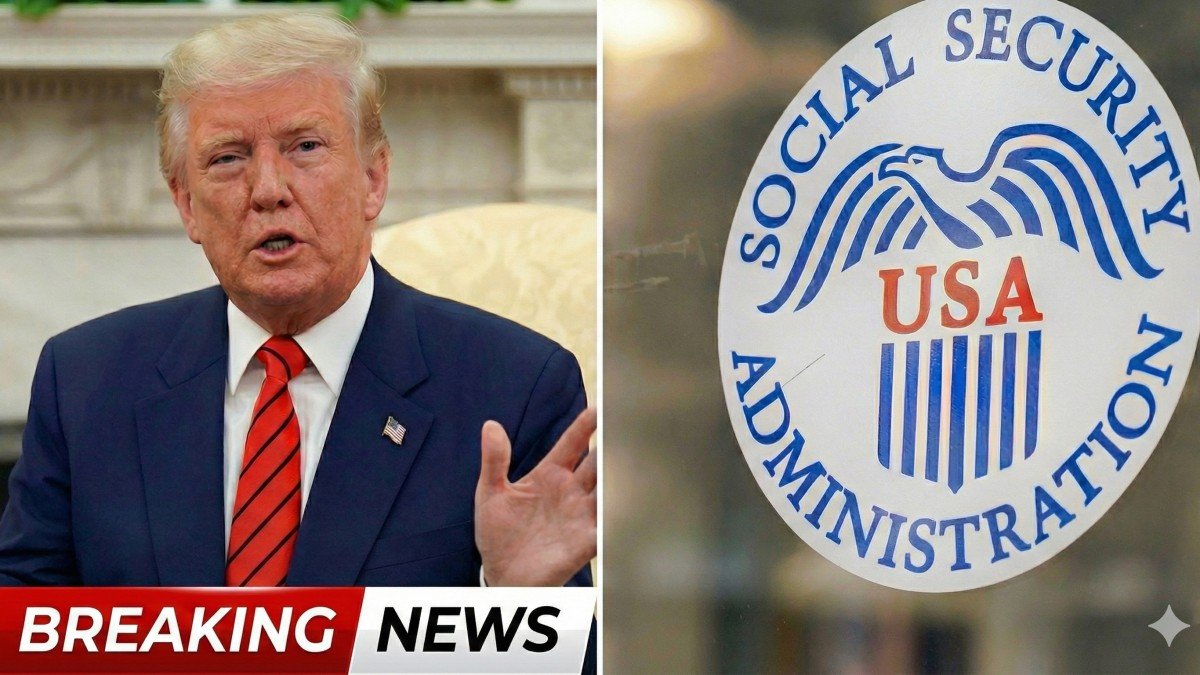
The U.S. government is preparing to overhaul the way Social Security and other federal benefits are distributed, transitioning from paper checks to electronic payments. Officials had long emphasized a strict deadline for this change, but the government has now adopted a more flexible stance, easing the transition and offering relief to older Americans and others who prefer receiving paper checks.

Why the Government Wants to Go Digital
The main reason behind this move is simple: electronic payments are faster, safer, and cheaper. The government says sending money directly to bank accounts or through the Direct Express® debit card helps reduce fraud, saves on postage, and makes the whole system more efficient. In fact, 99.4% of people already receive their payments electronically.
Paper checks, on the other hand, are costly and risky. They can get lost, stolen, or delayed. According to the Treasury Department, paper checks are 16 times more likely to go missing or be tampered with than direct deposits.
The Original Plan to Stop Paper Checks
In August 2025, the Treasury Department said that starting September 30, 2025, paper checks for federal benefits would mostly stop. This was part of a broader push under a new law called “Modernizing Payments to and From America’s Bank Accounts.” The Social Security Administration (SSA) supported this plan and encouraged people to move to electronic payments.
The government promoted two digital options: direct deposit into a regular bank account, and the Direct Express® Card, a prepaid debit card for those without bank accounts.
A Change in Tone: Paper Checks Still Allowed in Some Cases
Even though the official message was clear earlier, by late September, the SSA softened its tone. In a blog post, they confirmed that people who can’t get electronic payments will still be allowed to receive paper checks. This includes senior citizens who struggle with technology, rural residents with poor internet or no nearby banks, and people who don’t have bank accounts or smartphones.
Government insiders said that while digital payments are the goal, no one will lose their benefits just because they can’t go digital. Instead of a strict cutoff, the transition will be gradual and flexible.
Why This Update Matters
For many older Americans, paper checks feel safe and familiar. A sudden stop in paper payments could have caused panic or missed payments—especially for those in remote areas or unfamiliar with online banking. The new message from the SSA is reassuring: if you truly can’t go digital, the system will still support you.
This shows the government is listening. They understand that not everyone can keep up with technology and that important changes like this need time and care.
What Should You Do If You Still Receive Paper Checks?
If you still get a paper check, here’s what you should do:
– Switch to direct deposit: If you have a bank account, this is the easiest and safest method.
– Apply for a Direct Express® Card: This card works like a debit card and can be used at ATMs and stores.
– Request a waiver: If you can’t make the switch, contact the U.S. Treasury’s payment center and explain your situation. You may qualify to continue receiving paper checks.
Balancing Progress with Fairness
While the government wants to modernize payment systems, it also understands the need to protect those who might be left behind. The SSA’s softer stance shows a commitment to fairness and accessibility. It’s not just about saving money—it’s also about making sure that every person gets their benefits safely and reliably.
What to Expect Going Forward
The September 30 deadline hasn’t been removed, but it’s no longer a strict cutoff. The SSA and Treasury are now focusing more on education and outreach. Expect to see more ads, help centers, and support programs aimed at helping people make the switch to electronic payments.
They may also partner with local banks, senior citizen groups, and community centres to help people set up digital payment methods.
The government’s push to end paper checks is about improving speed, safety, and savings—but it’s not happening without thought for those affected. The new flexible approach means beneficiaries who genuinely can’t use electronic payments won’t be cut off. Instead, they’ll be supported with options that work for them.
For those who can switch, doing so now can save time and worry. For those who can’t, the good news is: paper checks aren’t gone yet. They’re just part of a slower, more considerate change.