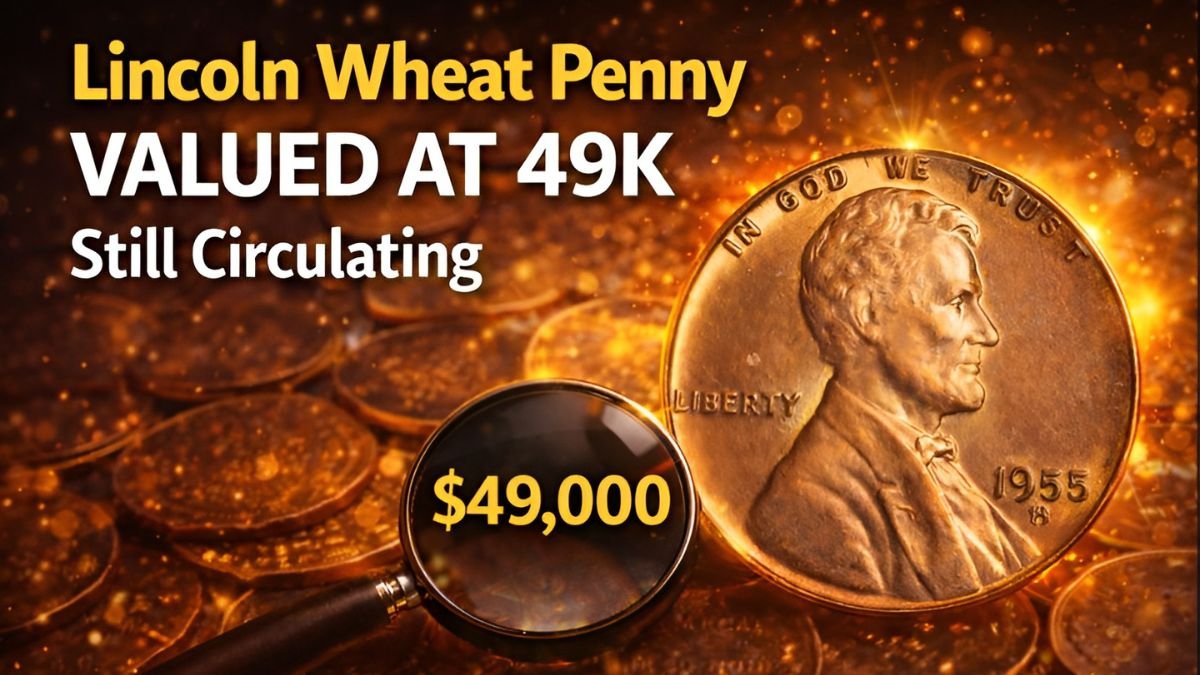
Discovering a Lincoln Wheat Penny that could be worth $49,000 may seem like a dream, but the reality is that these rare coins are still circulating. As a senior SEO content strategist, professional copywriter, and experienced journalist, I’m here to guide you through the process of identifying, verifying, and selling a potentially valuable wheat penny.

Why the Lincoln Wheat Penny Can Be Valued at $49,000
Some Lincoln Wheat Pennies reach high values because of rare dates, mint errors, or exceptional condition. Collectors and graders reward scarcity and eye appeal, and that can drive prices into five figures for the right coin.
This guide shows practical steps to identify a potentially valuable wheat penny, verify its authenticity, and decide what to do next. It is written for everyday people who might still find these coins in circulation.
Common Reasons a Lincoln Wheat Penny Reaches $49,000
Not every old penny is valuable, but specific factors reliably increase value. Familiarizing yourself with these will help you spot candidates worth further attention:
– Key dates and low-mintage years — coins from certain years or mints are rarer.
– Mint errors and varieties — doubled dies, repunched mintmarks, and wrong-planchet strikes are prized.
– Metal composition — unexpected copper or bronze planchets for normally steel-dated years are rare.
– High grade and eye appeal — uncirculated or lightly worn examples are much more valuable.
Lincoln Wheat Penny Valued at $49,000 — What to Look For
Look at the date and mint mark first; then inspect for doubling, repunching, or unusual metal. High-value coins often have clear, well-struck details and no major surface damage.
Tools that help include a jeweler’s loupe (10x), a small digital scale, and a magnet to check for steel planchets. Always handle coins by the edges to avoid oils from your fingers.
Key Dates and Errors to Watch
Several Lincoln wheat penny varieties attract collector demand. You don’t need to memorize every variant, but knowing a few common alerts will help you decide when to seek expert advice:
– Famous varieties: look up references for doubled-die obverses and notable mint years.
– Missing mintmark or unusual mintmark placement can indicate a repunched mintmark error.
– Reports of rare copper planchets from steel years (e.g., 1943) are red flags and merit immediate verification.
Practical Steps to Identify a Potentially Valuable Wheat Penny
If you find what looks like an unusually nice or odd Lincoln wheat penny, follow these steps. They keep the coin safe and give you reliable information to proceed:
1. Do not clean the coin — cleaning can destroy value. Leave all patina and toning intact.
2. Handle by edges and use gloves if available to avoid fingerprints.
3. Photograph both sides in good light and take close-up shots of the date and mint mark.
4. Use a loupe to inspect for doubling, repunched mintmarks, and die breaks.
5. Weigh the coin and check with a magnet if you suspect a 1943 steel cent or other composition oddity.
Did You Know?
What to Do If You Think You Have a $49,000 Wheat Penny
After initial identification, get a professional opinion. Start with reputable local coin dealers, then consider third-party grading if the coin appears to be a high-value candidate.
Third-party grading services like PCGS and NGC provide authentication and grade reports. Grading adds credibility and often raises the auction or resale value, but it also has fees and turnaround time.
How to Submit and Get an Appraisal
Document the coin with photos and notes before shipping or in-person visits. If you decide to submit to a grading service, use insured shipping and follow the service’s submission rules exactly:
– Collect multiple opinions from dealers or experienced collectors.
– Ask whether the dealer will buy, consign, or advise auction sale routes.
– Consider professional grading when a coin might be worth several thousand dollars or more.
Selling a High-Value Lincoln Wheat Penny
There are several selling options: private sale, dealer sale, auction house, or online marketplace. Each has pros and cons related to price, fees, and speed.
For coins that could reach $49,000, auction houses and specialist coin dealers often achieve the best prices because they reach serious collectors.
Checklist Before You Sell
– Secure authentication and grading if recommended.
– Get multiple estimates so you know the fair market range.
– Insure the coin in transit and during any storage or display.
Real-World Example
A collector found an unusual Lincoln wheat penny in a jar of mixed coins and brought it to a local coin shop. The dealer noticed strong doubling on the obverse and advised a third-party grading submission.
After grading and authentication, the coin was consigned to an online specialist auction. It sold within a few weeks to a collector who had been searching for that specific variety. The sale price was in the high four-figure to five-figure range, illustrating how careful handling and proper verification can turn pocket change into meaningful value.
Final Checklist to Protect Value
– Do not clean the coin; handle by edges only.
– Photograph and document everything immediately.
– Seek multiple expert opinions before selling.
– Use grading services and reputable auction houses for high-value coins.
Discovering a Lincoln wheat penny that could be valued at $49,000 is rare but possible. A cautious, evidence-based approach will protect the coin’s value and help you make the best decisions if you do find a hidden treasure.